
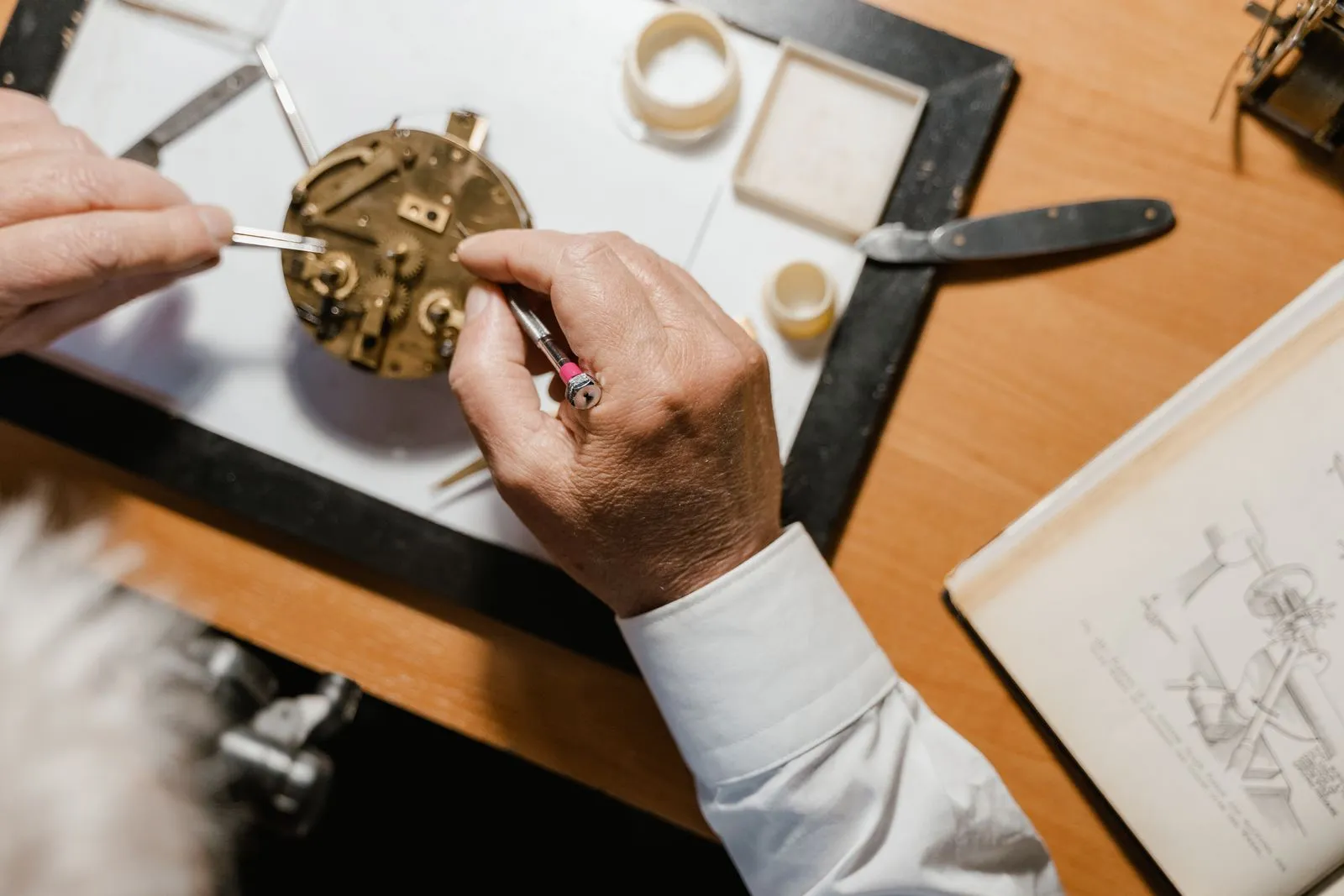
A mechanical watch restoration begins with careful evaluation, not an immediate parts replacement. The watchmaker checks the case, dial, hands, crown, and movement, then explains which work can improve function and which choices affect originality. The process can vary with the watch’s age, condition, and service history. Knowing what happens at each stage helps you ask useful questions, set expectations, and make informed decisions about preserving a watch with personal or family significance.
Start With a Thorough Inspection
The watchmaker will document the watch’s condition and identify its make, model, and visible features where possible. They may check whether the hands move, whether the crown operates correctly, and whether the case or crystal shows damage. If the watch has been exposed to moisture, mention it—even if the signs are not obvious. Avoid winding or setting a watch that may contain water or has stopped after impact.
A practical inspection also separates functional concerns from appearance preferences. A cracked crystal, loose crown, or corroded component can affect safe operation. Tarnish, scratches, and aged dial markings may be cosmetic or part of the watch’s history. Ask the watchmaker to explain what they can assess before opening the watch and what they will need to examine once the case is opened.
Understand the Movement Service
A mechanical movement contains many interacting parts that rely on clean surfaces and appropriate lubrication. During a full service, a watchmaker typically disassembles the movement, inspects its components, cleans suitable parts, replaces worn items when needed, then lubricates and reassembles the mechanism. The exact work depends on the design and condition of the watch; not every issue can be confirmed from an external inspection.
Ask what the service includes and whether the watchmaker will contact you before replacing parts or doing additional work. Some components may be difficult to source, and an old or unusual movement may require a specialized approach. If keeping original parts matters to you, say so early and ask whether removed components can be returned. Request a clear explanation of any limitations before authorizing the service.
Make Repair Choices Deliberately
Restoration can involve choices that affect originality as well as function. Replacing a damaged crystal may be straightforward, while refinishing a case, repainting a dial, or replacing hands can change the watch’s appearance and historical character. There is no single right choice for every owner. Decide whether your priority is reliable wear, retaining original materials, improving presentation, or balancing these goals.
Before work begins, ask for a written scope that distinguishes essential repairs from optional cosmetic work. Confirm how the shop will handle unexpected damage discovered during disassembly and whether it will pause for approval. If the watch has sentimental or collector value, request that proposed changes be explained in terms of their effect on originality. A measured restoration plan can preserve options instead of making irreversible changes by default.
Review Testing and Care
After reassembly, the watchmaker should assess how the movement runs and whether the repair resolved the reported problem. Testing may include checking timekeeping in more than one position and observing performance over an appropriate period. Results depend on the movement’s condition and design. Ask what was tested, what the findings mean, and whether the watch was checked for water resistance; do not assume an older watch is safe around water.
When you collect the watch, ask about any service warranty, recommended follow-up, and everyday precautions. Keep the watch away from strong impacts and magnetic sources, and follow the maker’s instructions for winding and setting it. Store service records with the watch. If it stops, runs irregularly, or shows moisture under the crystal, stop wearing it and contact a qualified watchmaker rather than trying to correct the issue yourself.
A careful restoration should leave you informed about the watch’s condition, the work performed, and any remaining limits. Review the proposed scope before approving repairs, especially when originality matters. Silva Watch Restoration in San Jose can discuss your watch’s needs and explain the next steps; contact the shop to arrange an evaluation.